
led light mirror vanity
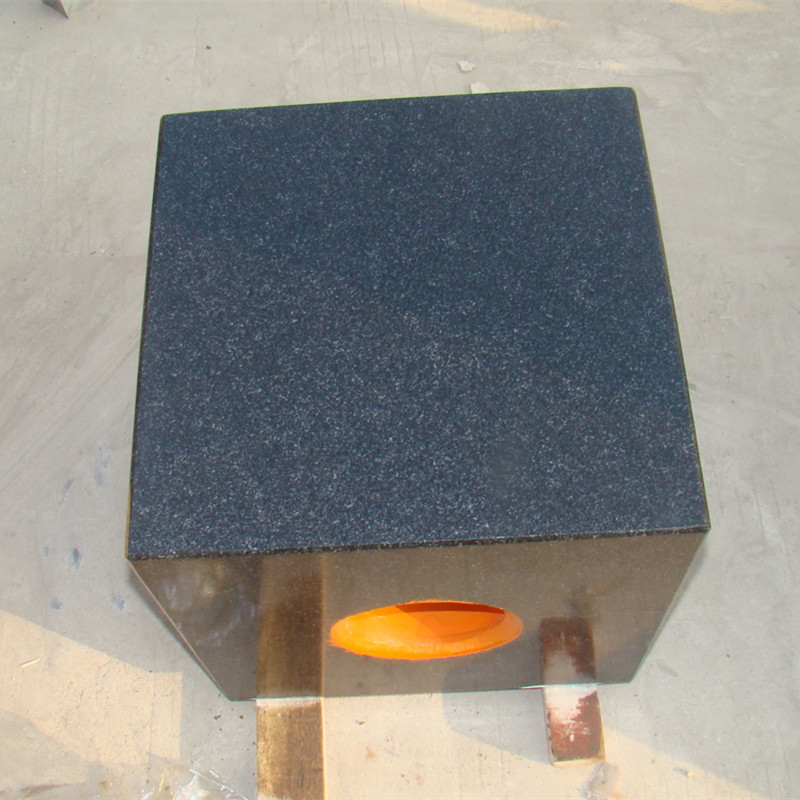
Understanding Fixture Table Clamps A Comprehensive Guide Fixture table clamps are essential tools used extensively in various manufacturing and assembly processes. These clamps offer stability, precision, and flexibility when holding workpieces firmly in place, enabling operators to achieve high-quality results in their tasks. This article delves into the functionality, types, advantages, and applications of fixture table clamps, providing a thorough overview of why they are indispensable in both industrial and craft settings. What Are Fixture Table Clamps? Fixture table clamps are mechanical devices designed to hold components securely on a fixture table or work surface during manufacturing operations. These clamps can accommodate various shapes and sizes of workpieces, making them versatile tools in both high-volume production and custom fabrication environments. Typically constructed from durable materials like steel or aluminum, they are built to withstand high pressures and stresses encountered during machining processes. Key Features of Fixture Table Clamps 1. Adjustability Most clamps are adjustable, allowing users to accommodate different sizes and shapes of workpieces. This feature is particularly useful in facilities where a diverse range of products is fabricated. 2. Easy Operation Fixture table clamps are designed for quick and easy operation. Many designs incorporate user-friendly mechanisms that facilitate fast setup and adjustments, reducing downtime. 3. Strong Clamping Force A primary requirement of any clamping system is its ability to exert sufficient force to keep a workpiece stationary. High-quality fixture table clamps provide robust clamping force without damaging the material being clamped. 4. Durability and Stability Given the rigors of industrial applications, fixture table clamps are built to last. Their sturdy construction provides stability during operations, ensuring that the workpiece remains in the correct position throughout the process. Types of Fixture Table Clamps Fixture table clamps come in various styles, each suited for specific applications. Some of the most common types include 1. Toggle Clamps Known for their speed and efficiency, toggle clamps use a lever mechanism to clamp down on the workpiece quickly. They are often used in woodworking and metalworking applications. 2. C-Clamps These traditional clamps have a C-shaped frame and a screw mechanism to apply pressure. They are versatile and can be used for various applications, from holding materials during cutting to assembling parts. 3. Pneumatic Clamps Utilizing air pressure for actuation, pneumatic clamps provide fast and powerful clamping. They are ideal for high-speed production lines where efficiency is paramount. fixture table clamps 4. Screw Clamps These clamps use a screw mechanism to tighten down on the workpiece. While they may take slightly longer to operate than toggle clamps, they provide excellent clamping force and are typically less expensive. 5. Magnetic Clamps Utilizing magnets to hold workpieces, these clamps are particularly advantageous for thin or metallic materials. They offer a lightweight and flexible solution for temporary setups. Advantages of Using Fixture Table Clamps The use of fixture table clamps in manufacturing and assembly offers several benefits - Improved Precision By keeping workpieces securely in place, clamps reduce the likelihood of error due to movement, leading to higher precision in machining and assembly processes. - Increased Efficiency Fast setup and operation minimize downtime, allowing for smoother workflows and increased productivity in manufacturing environments. - Safety Properly secured workpieces decrease the chances of accidents, protecting both the operator and the equipment from potential hazards caused by shifting materials. Applications of Fixture Table Clamps Fixture table clamps are widely used in various industries, including - Machining Essential in CNC machining processes, clamps secure materials while cutting, milling, or drilling, ensuring accurate dimensions. - Woodworking In woodworking shops, clamps hold boards in place for glue-ups, cutting, and finishing operations, providing stability for precision work. - Metal Fabrication These clamps are crucial in metalworking, where they assist in welding and assembling structural components. - Automotive and Aerospace In these sectors, fixture table clamps are employed for holding automotive parts and aircraft components during assembly, ensuring exact tolerances and safety. Conclusion Fixture table clamps are critical tools in modern manufacturing and assembly processes. Their ability to securely hold various workpieces makes them indispensable in achieving precision, efficiency, and safety in numerous applications. Understanding the different types available and their specific advantages can help operators and manufacturers choose the right clamping solutions for their needs, ultimately contributing to higher quality outputs and improved productivity.
about
led light mirror vanity
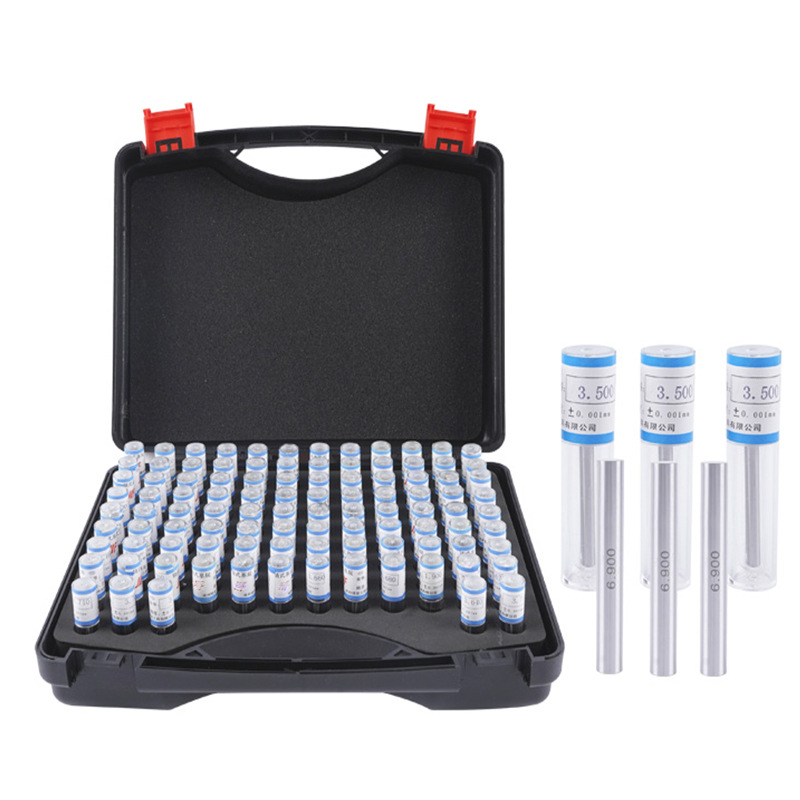
Understanding Plain Plug Gauge Standards Plain plug gauges are essential tools used in manufacturing and quality control environments to ensure that components meet specific dimensional tolerances. They are designed to check the size and fit of holes and other internal dimensions, providing a reliable means to determine whether a part is within acceptable limits. This article explores the concept of plain plug gauge standards, their applications, and their significance in precision engineering. What is a Plain Plug Gauge? A plain plug gauge is a cylindrical instrument with a specific diameter that is used to measure the internal dimensions of an object, typically a hole. These gauges come in two variants go gauges and no-go gauges. The go gauge is slightly smaller than the nominal size and should fit easily into the hole if the dimension is acceptable. The no-go gauge, on the other hand, is slightly larger and should not fit if the hole is within specification. Together, these gauges help in assessing whether a part is of acceptable quality. Importance of Standards Plain plug gauges are governed by specific standards to ensure accuracy, reliability, and uniformity across various manufacturing processes. The most widely cited standards include those established by organizations such as the International Organization for Standardization (ISO), the American National Standards Institute (ANSI), and the British Standards Institution (BSI). These standards dictate the manufacturing tolerances, materials used, calibration techniques, and measurement methods for plug gauges. Material and Design Plain plug gauges are usually made from high-grade tool steel or other durable materials to withstand wear and tear. The design includes a precisely defined diameter and a smooth, hardened surface to ensure that the gauge provides accurate readings over time. The gauge's length is also standardized to facilitate easy handling and ensure compatibility with measuring devices. plain plug gauge standard Calibration Calibration is a crucial aspect of maintaining the accuracy of plain plug gauges. It involves comparing the gauge against a known standard to check for deviations. Regular calibration is necessary to account for wear, temperature changes, and other factors that could affect measurement accuracy. Most manufacturers adhere to a strict calibration schedule, often using certified reference materials to ensure compliance with industry standards. Applications Plain plug gauges are widely used across many industries, including automotive, aerospace, and electronics. They are instrumental in ensuring parts fit together correctly, which is vital for the safety and performance of machines and systems. For instance, in the automotive sector, precise fitting of components can significantly affect the performance of an engine or transmission. In addition to checking hole diameters, plain plug gauges can also be used in assembly lines to verify the dimensions of various parts before they are assembled into larger systems. This quality control step helps prevent costly errors and rework, ensuring that products meet the required specifications and are safe for use. Conclusion Plain plug gauges are indispensable tools in modern manufacturing and quality assurance. Understanding the standards and practices surrounding these gauges is vital for ensuring the reliable and accurate measurement of internal dimensions. With their widespread applicability across various industries, plain plug gauges serve as a critical component in maintaining the integrity and quality of engineered products. In conclusion, adhering to plain plug gauge standards not only enhances the precision of manufacturing processes but also fosters trust between manufacturers and customers. As industries continue to evolve and strive for higher quality and efficiency, the role of plain plug gauges will remain paramount in achieving these goals. By investing in proper gauges, regular calibration, and adherence to standards, businesses can significantly improve the quality of their products while ensuring customer satisfaction.
-

High quality industrial productsagement

High quality industrial products
View Details -

Meet the diverse needs of customers

Meet the diverse needs of customers
View Details -

Strict quality control

Strict quality control
View Details -

Top raw materials

Top raw materials
View Details -

Trusted supplier

Trusted supplier
View Details
Our application


news and information

Van cầu 2 1 2
Đồng hồ van cầu 2 1 2 là một trong những thiết bị quan trọng trong hệ thống ống dẫn chất lỏng, đặc b
Van cổng
Van cổng, hay còn được gọi là van xẻng, là một trong những thiết bị quan trọng trong hệ thống đường
Van cầu cân bằng cho hệ thống ống dẫn hiệu quả cao và bền bỉ
Van Bi Cân Bằng Giải Pháp Tối Ưu Cho Hệ Thống Ống Nước Trong ngành công nghiệp hiện đại, việc kiểm s
 English